Book more than 90 days ahead and save 10%. See prices and promotions

HomeNews

News

Stories from Costa Rica’s South Caribbean

Discover the people, places and inspiring initiatives shaping conservation and community life in Puerto Viejo de Talamanca. From protecting nature and celebrating local culture to community-led projects making a difference, explore the stories that bring this vibrant corner of Costa Rica to life.

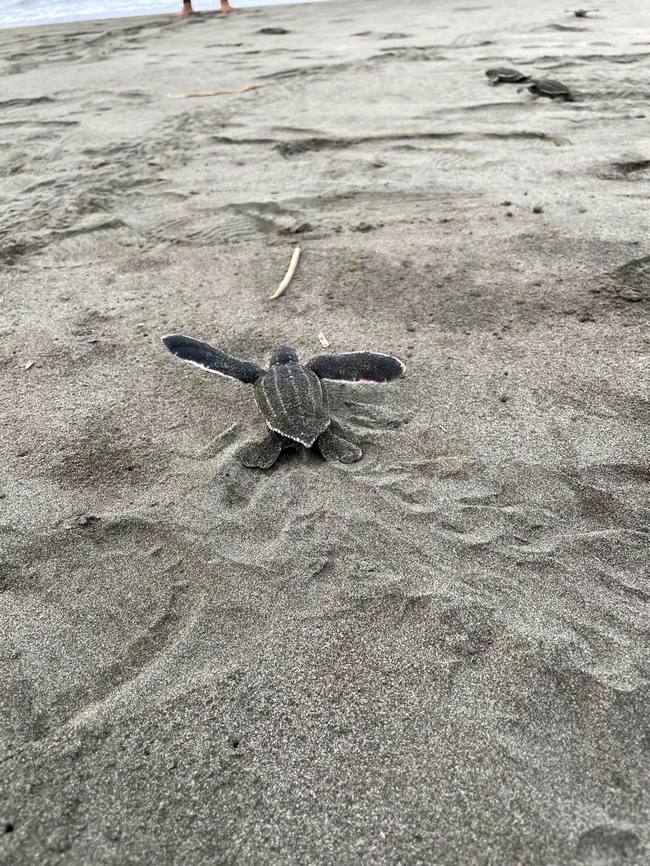
A sea turtle hatchling on the sand
A turtle hatchling on its way to the sea

Stop 5 of 5 on the trail

To finish: Book your stay

By Soledad

An encounter with sloths and the commitment to a Plastic-Free Caribbean

Photographing the South Caribbean coast
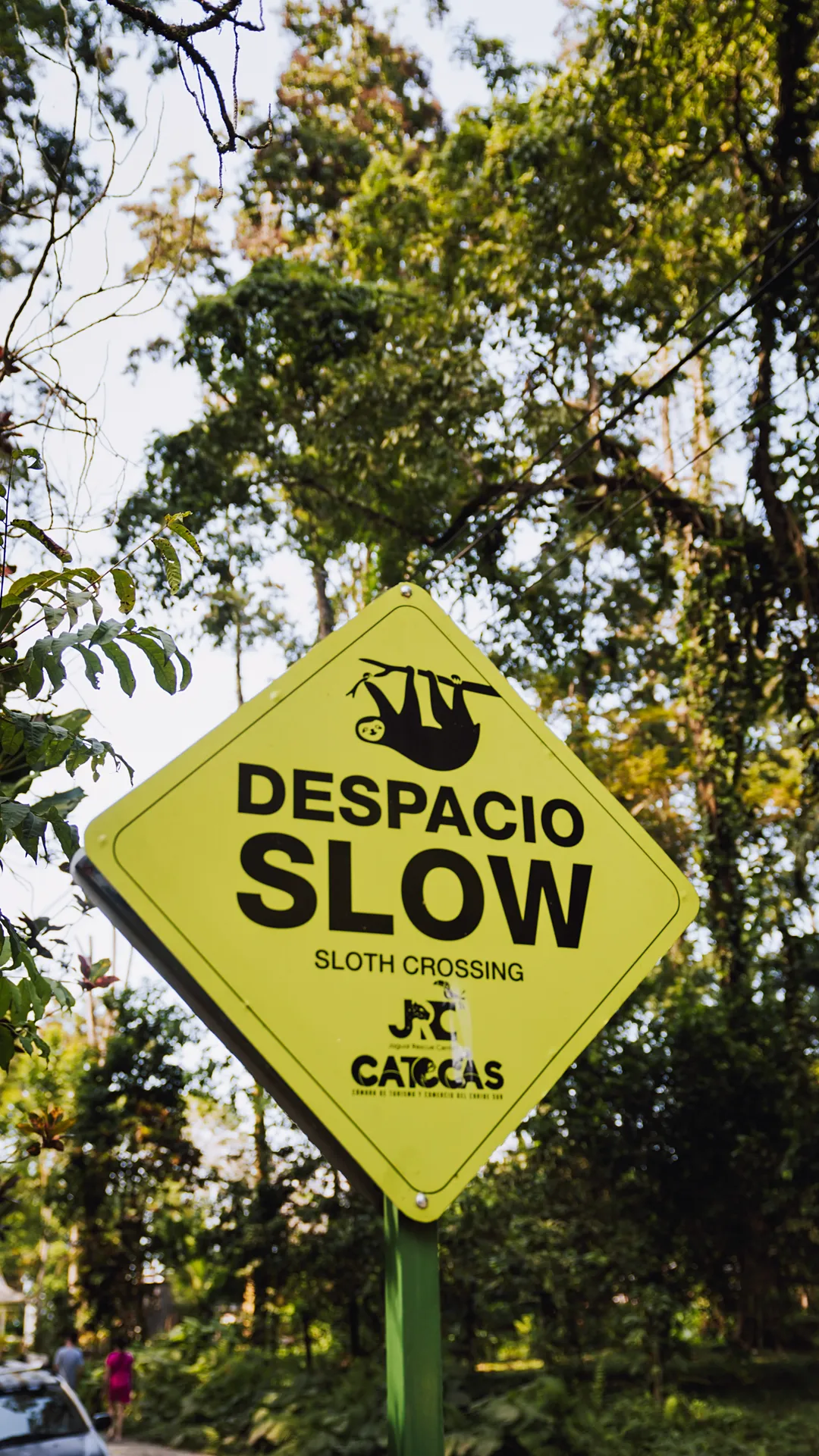
«Slow, sloth crossing» road sign in Puerto Viejo
Slow down: in Puerto Viejo, sloths cross the road

Last Saturday, Puerto Viejo hosted the International Sloth Event, a day to celebrate and highlight the natural wealth that surrounds us. Planet Conservation took part with the Plastic-Free Caribbean stand, an initiative that raises awareness of the impact of plastic waste and promotes more responsible alternatives.

At the stand we offered products made from recycled plastic, such as sunglasses and keyrings, showing how materials that often end up as waste can have a new life.

I like to think these spaces are about much more than presenting a project. They are a chance to connect with other people, exchange ideas and remember that caring for the environment also starts with small everyday decisions.

As a photographer, observing and capturing these encounters is another way of telling what happens around us.

In a place like the Caribbean, where nature is so present in our daily lives, taking part in these initiatives has a special meaning. Through Plastic-Free Caribbean and Planet Conservation, we keep working towards a community that is more aware and more committed to protecting our surroundings.

Because caring for the Caribbean is also a way of giving thanks for everything it gives us.

By Vanessa, volunteer from Brazil

My volunteering at Planet Conservation

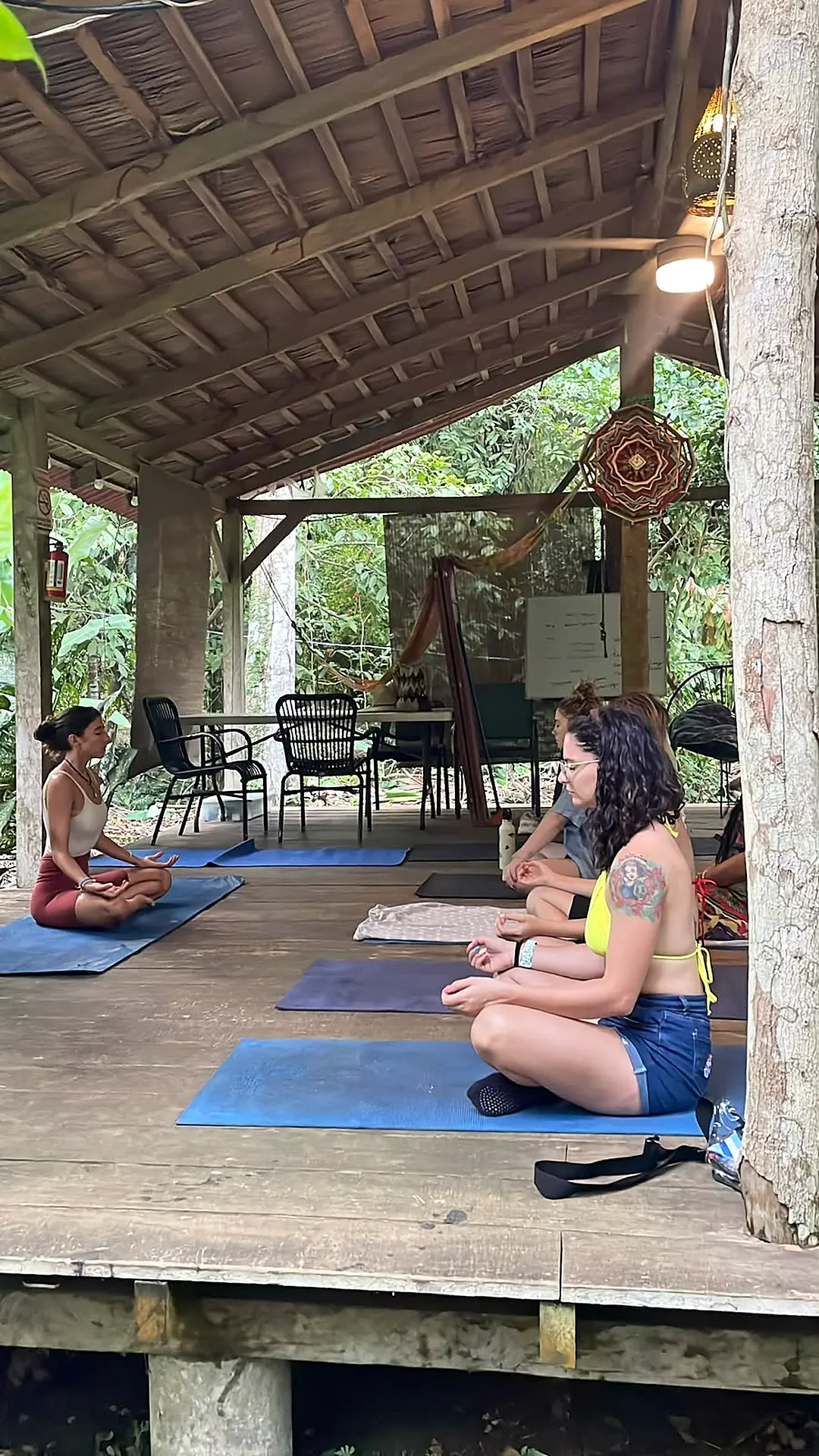
Meditation in the wooden pavilion, open to the jungle
Yoga class in the open rancho

My name is Vanessa, and I’m from São Paulo, Brazil. For a little over two years, I’ve been traveling through several countries doing volunteer work, and this year I decided to explore the lush beauty of Costa Rica. After a few months in the country, I decided that my last experience here would be in Puerto Viejo—a place I had visited for a few days when I first arrived in Costa Rica and really fell in love with. I was so happy when I received a message accepting me as a volunteer at Planet Conservation.

I’ve volunteered in many different types of places, but at Planet Conservation, I felt like I was doing something truly meaningful—not only for myself, but also for the community and the planet as a whole.

Planet Conservation runs various socio-educational and environmental projects, and taking part in activities like the beach cleanup was deeply rewarding.

Another fascinating project is the recycling workshop, where plastic bottle caps are transformed into keychains, bracelets, and other items. It’s amazing to see what would otherwise just be trash being repurposed. Seeing this kind of work gives me a sense of hope for a better world.

Daily life as a volunteer was very dynamic, and tasks were divided fairly. It was also a wonderful experience because I was able to contribute using my own skills and felt genuinely valued. I was responsible for teaching yoga classes and also assisted in marketing and tourism, drawing on my previous experience.

I had a wonderful time at Planet Conservation, made great friends, enjoyed the town, and spent time close to nature. I definitely recommend this experience!

By Planet Conservation

Planet Conservation and Wayers clean Cocles Beach

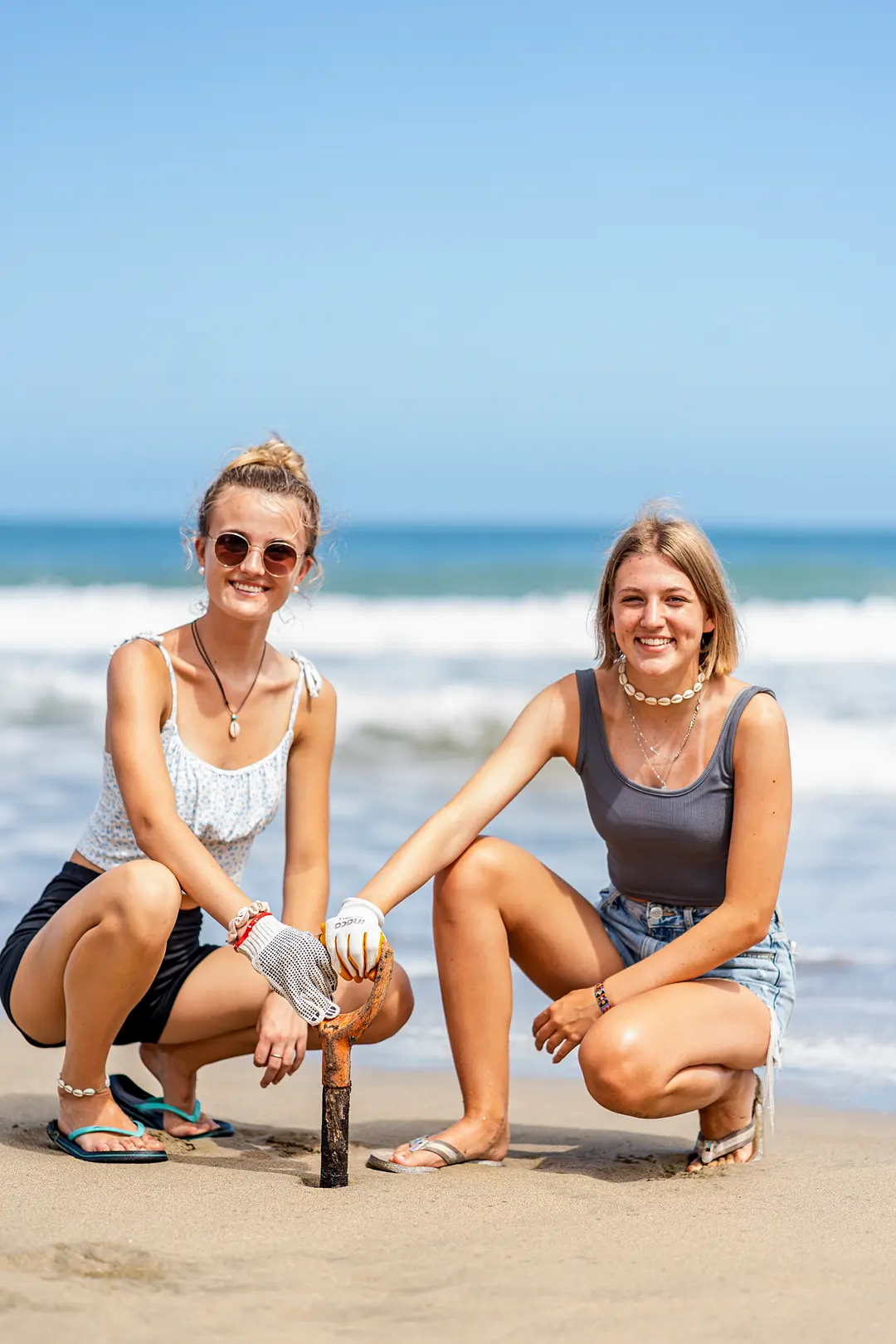
Two volunteers picking up litter on the beach
Beach cleanup in the South Caribbean

On September 15, 2026, our Planet Conservation team and Wayers volunteers joined Costa Rica’s National Cleanup Campaign, «Cuidemos Nuestra Finca 2026», at Cocles Beach, Puerto Viejo.

Together, we collected 22.6 kg of waste: 8 kg of plastic, 1.6 kg of aluminum, 9 kg of glass, and 4 kg of general waste, contributing to cleaner beaches and healthier coastal ecosystems.

If you want to learn more about our similar activities, please follow @planetconservation. You can join us and also get involved in local cleanups in your community. Pura vida!

By Planet Conservation

The South Caribbean reborn: how Puerto Viejo became a refuge for Costa Rican wildlife

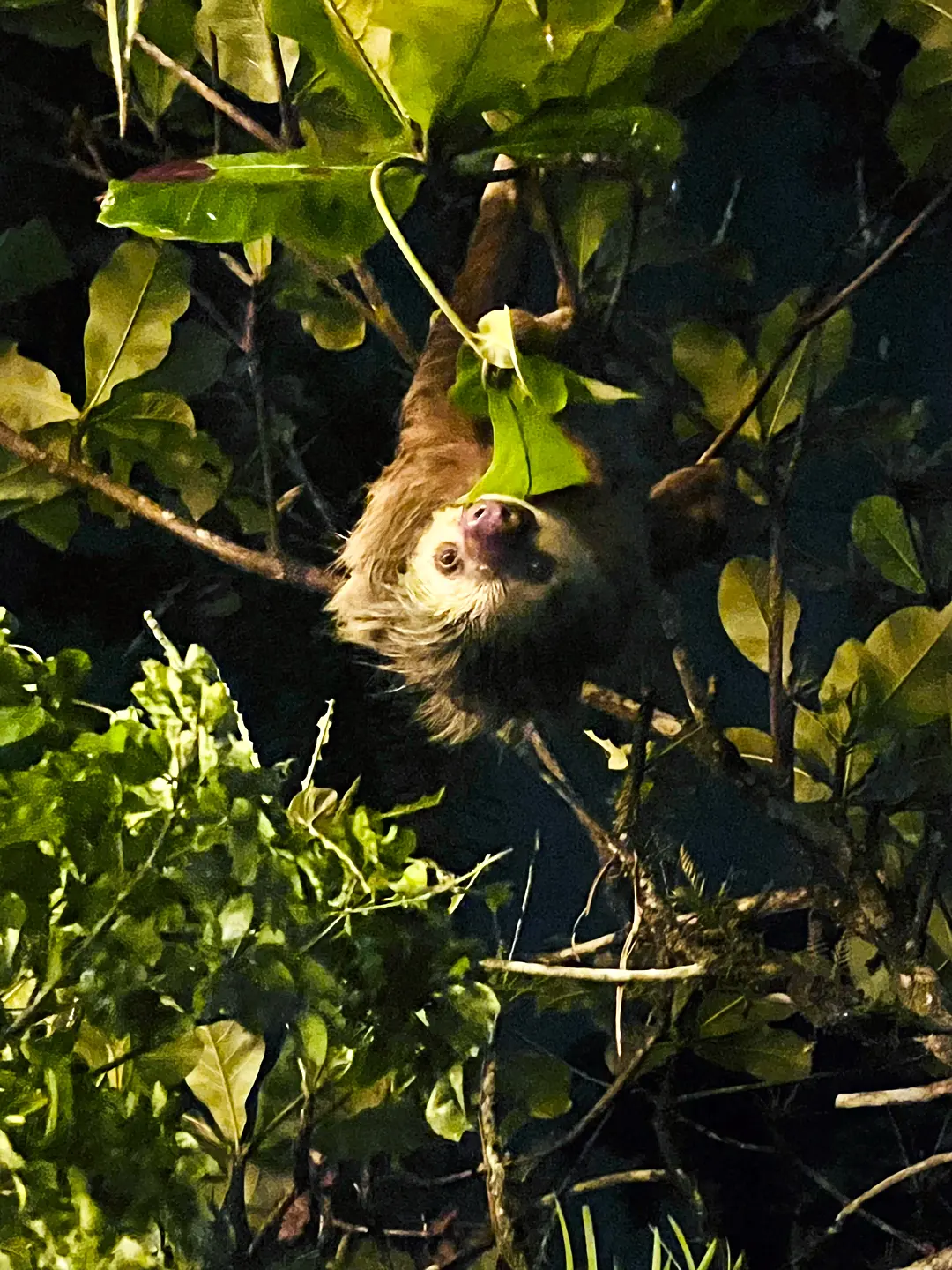
A sloth hanging from a branch at night
A sloth in the branches, at night

Talamanca, Costa Rica. A few minutes from the centre of Puerto Viejo, among damp trails and centuries-old trees, something is happening that few tourists stop to take in: this strip of the South Caribbean has become one of the most active areas for wildlife conservation in the whole country.

A sanctuary that never rests

The Jaguar Rescue Center, in Playa Chiquita on the outskirts of Puerto Viejo, is not a zoo: it is an active rehabilitation centre dedicated to taking in injured, orphaned or displaced wild animals and returning them, whenever possible, to their natural habitat. Sloths, monkeys, toucans, snakes, birds of prey and wild cats pass through its hands in a process that combines science, patience and an entire community committed to the cause. This kind of effort is not an isolated one. The region also runs constant monitoring programmes for two- and three-toed sloth populations, where local guides and research groups work side by side to keep records that help us understand how these species are adapting, and in many cases thriving, in the forests near Talamanca's private reserves.

Turtles that keep choosing these beaches

Every season, the beaches of the Gandoca-Manzanillo Wildlife Refuge welcome the sea turtles that come to nest, just as they have for generations. The fact that turtles still choose these beaches is in itself a sign of ecological health: females don't nest just anywhere, only on beaches where the conditions (darkness, sand temperature, calm) are still right. Today, turtle watching in Gandoca is done only with a certified guide, a measure that not only protects the animals but has also made local communities the first guardians of this natural cycle, generating genuine income tied directly to conservation.

Jungle, mangrove and reef in a single embrace

Few places in the world let you cross tropical rainforest, wetlands, mangroves and coral reef in a single walk and end up on an untouched beach. That is exactly what the corridor between Manzanillo and the Panamanian border offers. Local naturalist guides, many of them trained within their own communities, know the movements of tapirs and pumas in the area by heart and can spot a motionless sloth in a tree within seconds, knowledge that only comes from years of close, respectful observation of the land.

Volunteering that builds a future

Conservation in Puerto Viejo doesn't depend on experts alone: it also depends on hands willing to help. Volunteer programmes in the area let people from all over the world join restoration work in nurseries, build enclosures for animals in rehabilitation, and take part in environmental education in nearby schools and communities. Each programme is run in partnership with long-established local organisations, ensuring that the volunteer's work reinforces, rather than replaces, the knowledge and leadership of the people of Talamanca.

An ecosystem that sustains its own protection

What is remarkable about Puerto Viejo is that conservation doesn't depend on a single institution or a single effort: it is a living network of rescue centres, cooperatives that plant native species, community guides, school programmes and conscious visitors who are drawn precisely by the natural wealth the community itself works to protect. Every sloth spotted on a trail, every turtle that returns to nest in Gandoca and every animal that leaves a rescue centre rehabilitated to go back to its home in the jungle is proof that in this corner of the Costa Rican Caribbean, nature and people have found a way to look after each other.
By Planet Conservation

Puerto Viejo bets on clean-ups: the South Caribbean community organises to protect its paradise

Two volunteers picking up litter on the beach
Beach clean-up with volunteers

Talamanca, Costa Rica. Where the jungle meets the sea, Puerto Viejo de Talamanca is writing a story few people talk about: that of a community that decided not to wait for a solution to arrive from outside and got to work caring for the place where it was born.

A town that organises itself

Community groups such as “Puerto Viejo + Limpio” have long been working on something as simple as it is powerful: keeping the town's streets, beaches and public spaces clean. Without relying only on state institutions, neighbours, businesses and volunteers have come together for clean-up and waste-management days that are now part of the South Caribbean's identity. This citizen organisation is great news in itself: it shows that Puerto Viejo has an environmental awareness that is alive, active and ready to act.

Solutions that are already working

In the Indigenous tourist lodges of the Talamanca area, pilot projects are already delivering concrete results: water purification systems that guarantee access to safe drinking water; wastewater treatment using constructed wetlands, a natural, sustainable, low-impact solution; and environmental education programmes for both tour operators and visitors themselves, so that caring for the surroundings becomes part of the experience of travelling here. These initiatives show that technology and local knowledge can go hand in hand to solve real problems without sacrificing the natural essence of the place.

A sea that stays clean

The latest health studies of Costa Rica's beaches bring more good news: in the Limón area, which includes Puerto Viejo, Cahuita and Puerto Vargas, levels of faecal contamination in the seawater remain minimal and stable, with no sign of deterioration over time. While other beaches in the country show worrying increases, the South Caribbean still offers clean water for swimming, surfing and enjoying.

A new generation learning to look after what is theirs

Perhaps the most hopeful part of all this is happening in classrooms. The environmental education workshops being brought to schools and youth spaces in Talamanca are shaping a generation that will grow up understanding, from an early age, the value of the forests, wetlands and reefs that surround their home. That seed, planted today, is the strongest guarantee that Puerto Viejo will still be a special place many years from now.

A paradise worth defending

Puerto Viejo combines something increasingly hard to find in the world: jungle, sea, biodiversity and a unique cultural identity (Bribri, Afro-Caribbean and Costa Rican) living together in harmony. And today this multicultural community is showing that love for its land turns into concrete action: clean-ups, education, innovation and organisation. The story of Puerto Viejo is not that of a place in hopeless danger. It is the story of a community that is wide awake and that, with every clean-up day, every constructed wetland and every child who learns to care for their surroundings, keeps showing why this corner of the Costa Rican Caribbean deserves to remain one of the most authentic and alive places in Costa Rica.

I want to take part (opens WhatsApp with the message written)

WhatsApp